


1066 And All That
Publisher: Methuen
Format: Hardback
ISBN: none
Here’s one in the usual Crappy Old Books style:
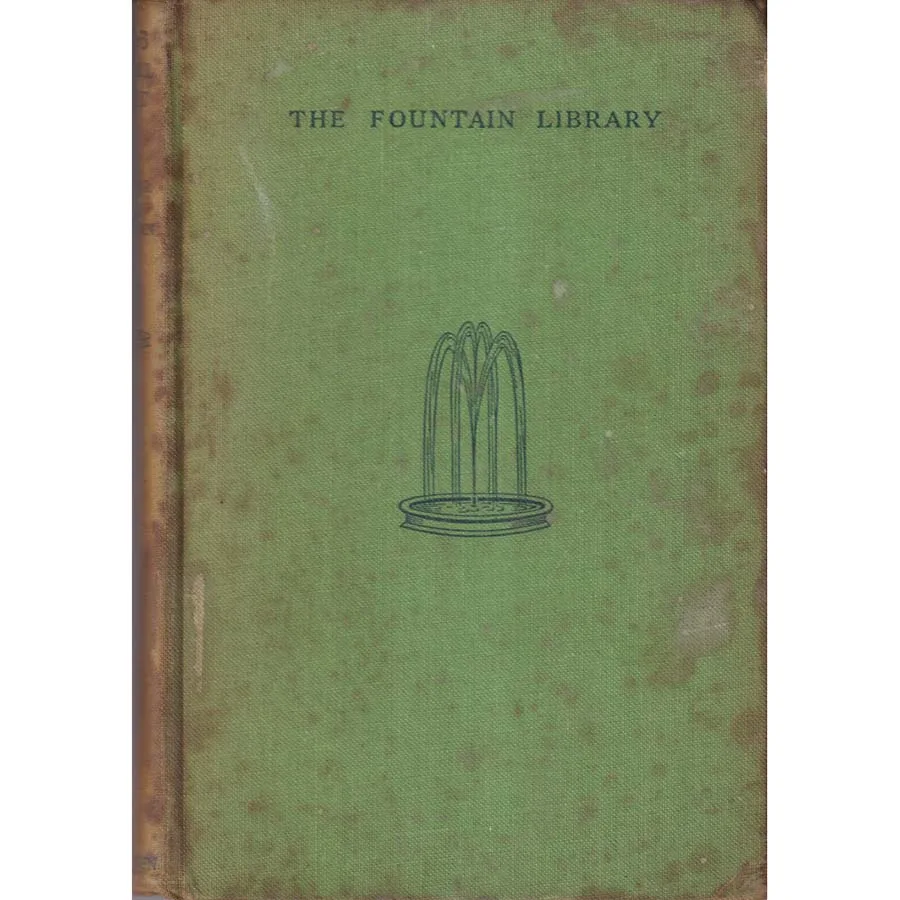
1066 and All That (1936) by W. C. Sellar and R. J. Yeatman – Methuen – ISBN: None – Condition: Fair
British history can be a complicated business.
There are kings, queens, wars, reforms, rebellions, acts of parliament, invasions, counter-invasions, people called Æthelred, several Richards, far too many Henrys and an alarming number of occasions on which everybody seems to have been fighting everybody else for reasons that were probably perfectly clear at the time.
Fortunately, Walter Carruthers Sellar and Robert Julian Yeatman decided that none of this needed to be taken quite so seriously.
First published in 1930, 1066 and All That is one of the great comic assaults on the way British history used to be taught: a magnificent parade of half-remembered facts, mangled dates, heroic misunderstandings and confidently incorrect conclusions, all delivered in the solemn tone of a school textbook that has somehow gone badly wrong.
This 1936 Methuen edition contains the familiar procession of Romans, Saxons, Normans, Tudors, Stuarts and other historical nuisances, all carefully reduced to the handful of facts that every properly educated person was apparently expected to remember after forgetting almost everything else.
The Battle of Hastings is here, naturally. So are the Magna Carta, the Spanish Armada, the Civil War and the gradual development of Britain into what the authors describe, with magnificent confidence, as the world’s leading historical subject.
The joke throughout is that history is not presented as it actually happened, but as people vaguely remember being taught that it happened. Facts become “Memorable,” monarchs become either “Good Things” or “Bad Things,” and centuries of political complexity are reduced to wonderfully absurd summaries that are often more memorable than the real events.
Sellar and Yeatman were particularly good at puncturing the pompous tone of old-fashioned history teaching. Their version of the national story is full of solemn nonsense, deliberate contradictions and the kind of logic that makes complete sense provided you do not examine it too closely.
It is also one of those books that remains funny partly because the thing it mocks has never entirely disappeared. Most people still remember British history as a handful of kings, a few battles, one or two executions, some vague business involving the Pope and the definite conviction that 1066 was Important.
This copy dates from 1936 and is in Fair condition.
It is, it must be admitted, quite grubby, and there are some scribbles to the inside cover. In other words, this is not the pristine copy that spent ninety years untouched in a glass cabinet. This is the copy that appears to have actually encountered human beings.
The grubby appearance gives it a certain educational authenticity. One can easily imagine it having been dragged through classrooms, bedrooms, attics and several generations of people who intended to learn some history and instead discovered that mocking it was considerably more enjoyable.
The scribbles inside the cover also suggest a previous owner felt the book required further annotation. Whether these constitute scholarly commentary, mathematical experimentation or simple evidence that someone once possessed a pencil is best left to future historians.
There is no ISBN, because this edition predates ISBNs by several decades and has therefore managed perfectly well without one.
Ideal for collectors of vintage humour, lovers of British history, fans of comic writing, or anyone who has ever stared at a list of medieval monarchs and thought that surely there must be an easier way.
Another battered but cheerful survivor from Crappy Old Books — quite grubby, slightly scribbled-on, and still considerably easier to understand than the Wars of the Roses.
Keep browsing: See more History books Other books by Walter Carruthers Sellar and Robert Julian Yeatman
